
Horizontal cracks
A crack running sideways along a block or poured wall, often a few feet below the top, can mean soil is pressing on the wall. This Old House notes horizontal cracks are more likely than vertical ones to signal a structural issue.
Noticed a crack in the basement wall, a wall leaning in or a door that suddenly sticks? Describe it once, and independent foundation repair, basement wall and waterproofing companies serving Topeka can reply with free, no-obligation quotes.
Foundation repair in Topeka usually starts in the basement. Many homes here have block or poured basement walls, and the most common calls are about cracks, walls that bow inward, water at the base of a wall, and floors or doors that have shifted. Topeka Foundation Experts is a free quote service: you tell us what you see, and independent local companies reply with quotes. We don’t inspect, repair or sell anything ourselves.
Before you call anyone, take ten minutes to document the problem. Mark the ends of each crack with a pencil, write the date beside it and photograph it next to a tape measure. Note which doors stick and in what season. That record helps every company you talk to, and any engineer you hire, see whether something is moving.
Some cracking is normal as concrete cures and a house ages. These are the patterns that are worth showing to a company or an engineer.
A crack running sideways along a block or poured wall, often a few feet below the top, can mean soil is pressing on the wall. This Old House notes horizontal cracks are more likely than vertical ones to signal a structural issue.
Stretch a string or hold a long straightedge along the wall. An inward bulge, a wall leaning in at the top or blocks sliding at a mortar joint are worth a closer look.
Cracks that follow the mortar joints of a block or brick wall in a stair pattern can come from settlement or wall movement. Note the width and whether blocks are offset.
A door that rubs at a top corner, a gap opening over a frame or a window that suddenly binds can follow movement below. Humidity plays a part too, so watch the pattern.
A floor that dips toward the middle of the house, a ball that rolls or gaps under baseboards can point to settled footings, sagging beams or tired crawl space supports.
Damp spots, white powder (efflorescence) or puddles where the wall meets the floor show water pressure against the wall. On clay soils, water and wall pressure often travel together.
For a bowing wall, a horizontal crack or floors that slope, consider an independent structural engineer’s assessment before you sign for a large repair, especially a pier or wall job. This Old House puts a foundation inspection at about $300–$1,000, with an average near $600. The engineer should be independent of the company selling the repair, so the report works for you. Companies can then quote against the same scope. Read more about structural engineer inspections.
Pick the problem closest to what you see. Not sure? Choose “Not sure yet” on the form and describe it in your own words.
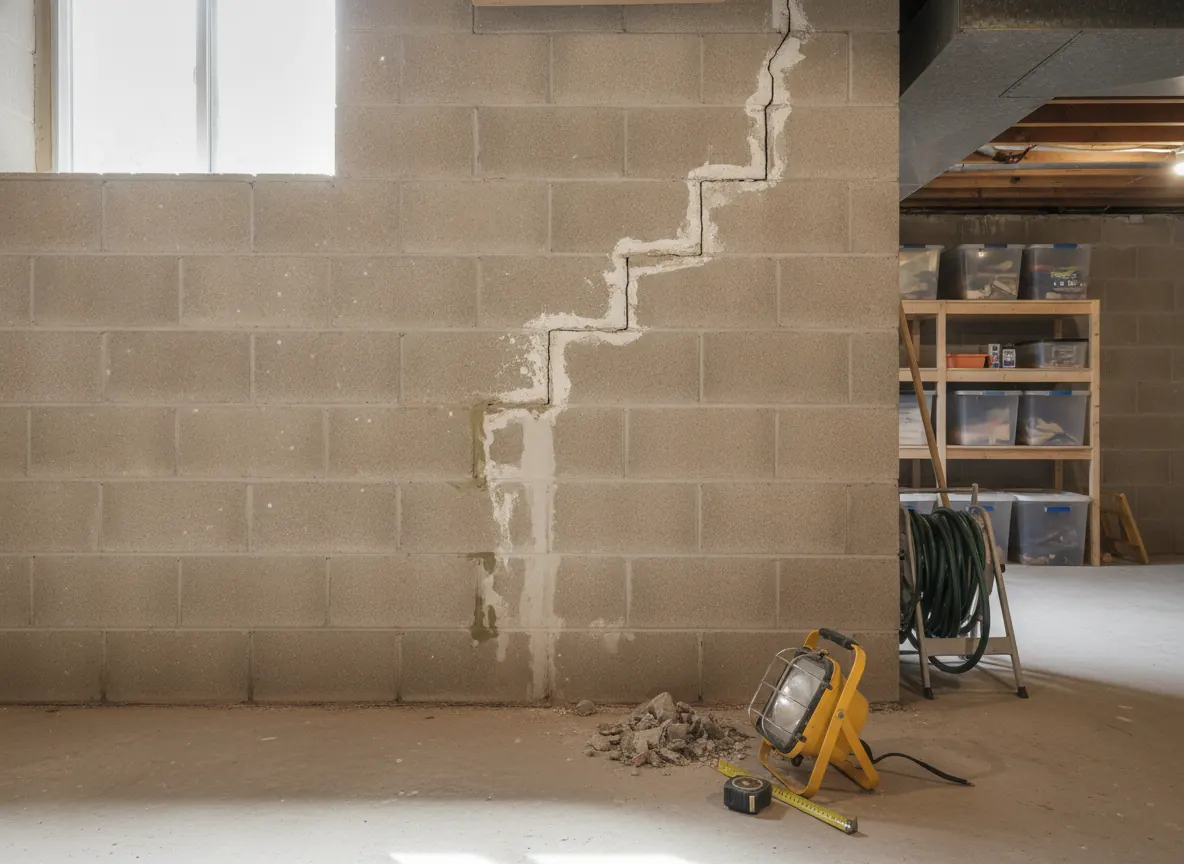
Horizontal, vertical and stair-step cracks explained, plus injection for poured walls and what a crack pattern can tell a company.
Learn more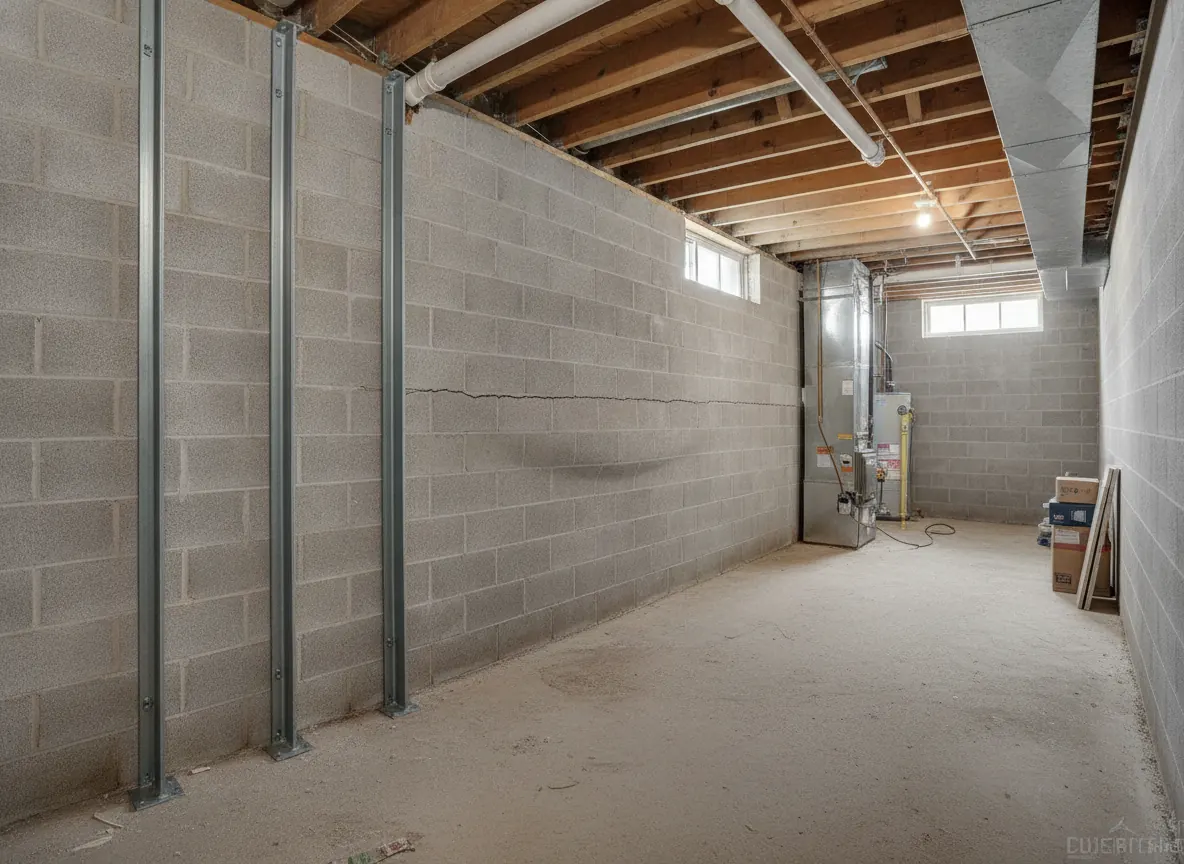
Wall anchors, carbon fiber straps, steel I-beams or a rebuild for block walls pushed in by wet clay.
Learn more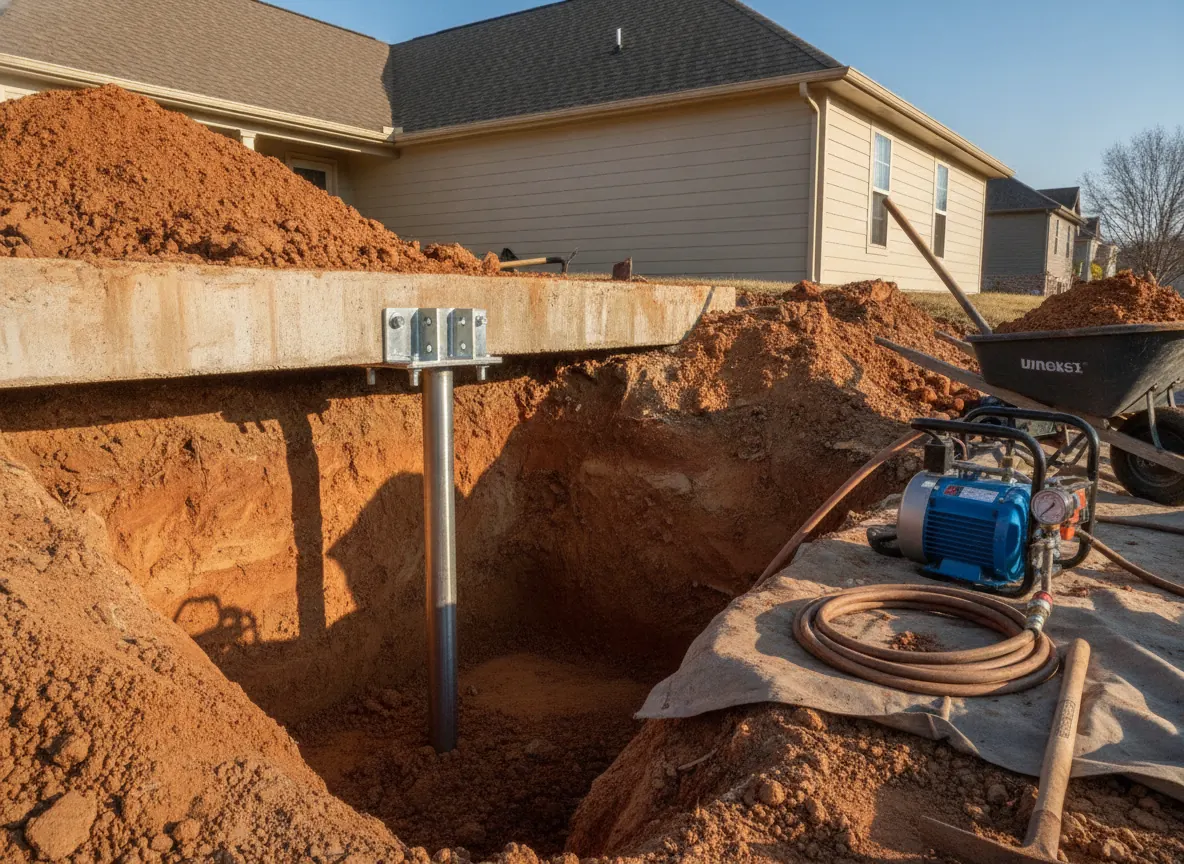
Push and helical piers for settled footings, sloping floors and doors that no longer close.
Learn more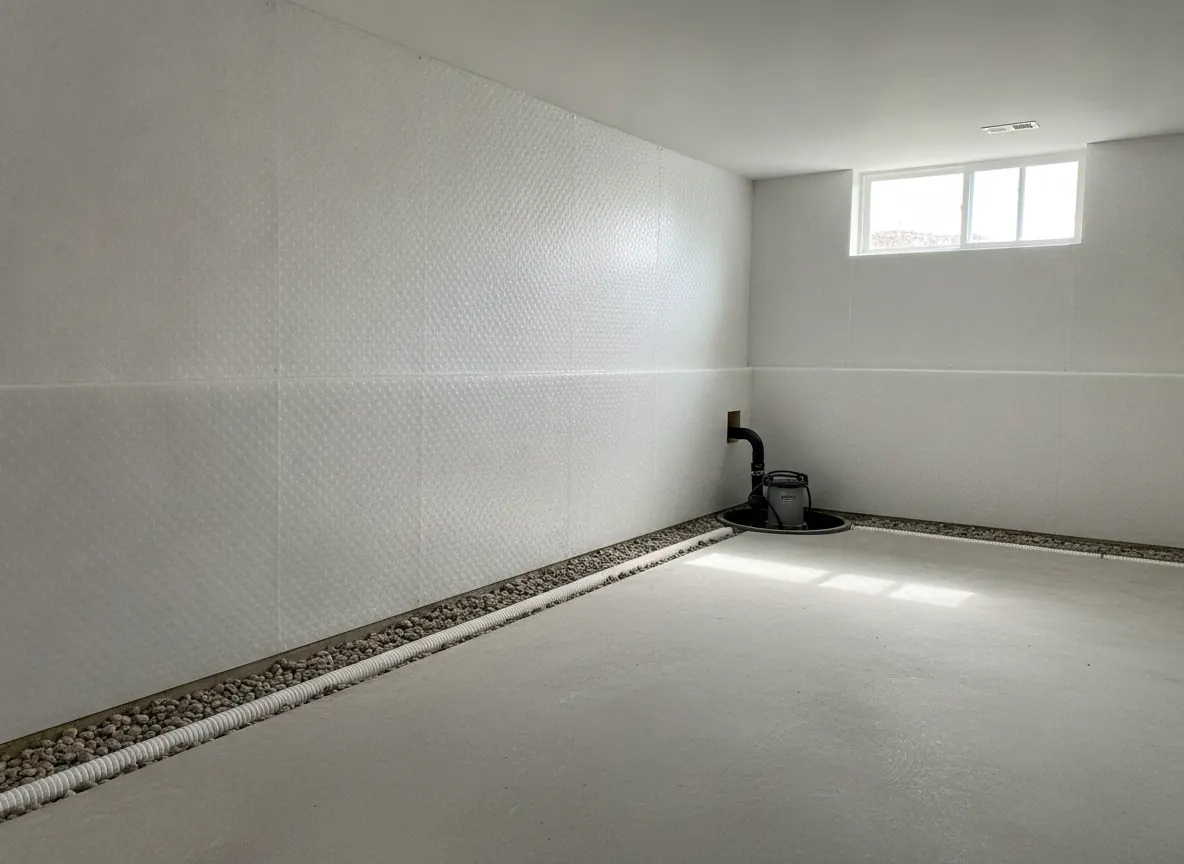
Interior drain tile, sump pumps and the grading checks that should come first.
Learn more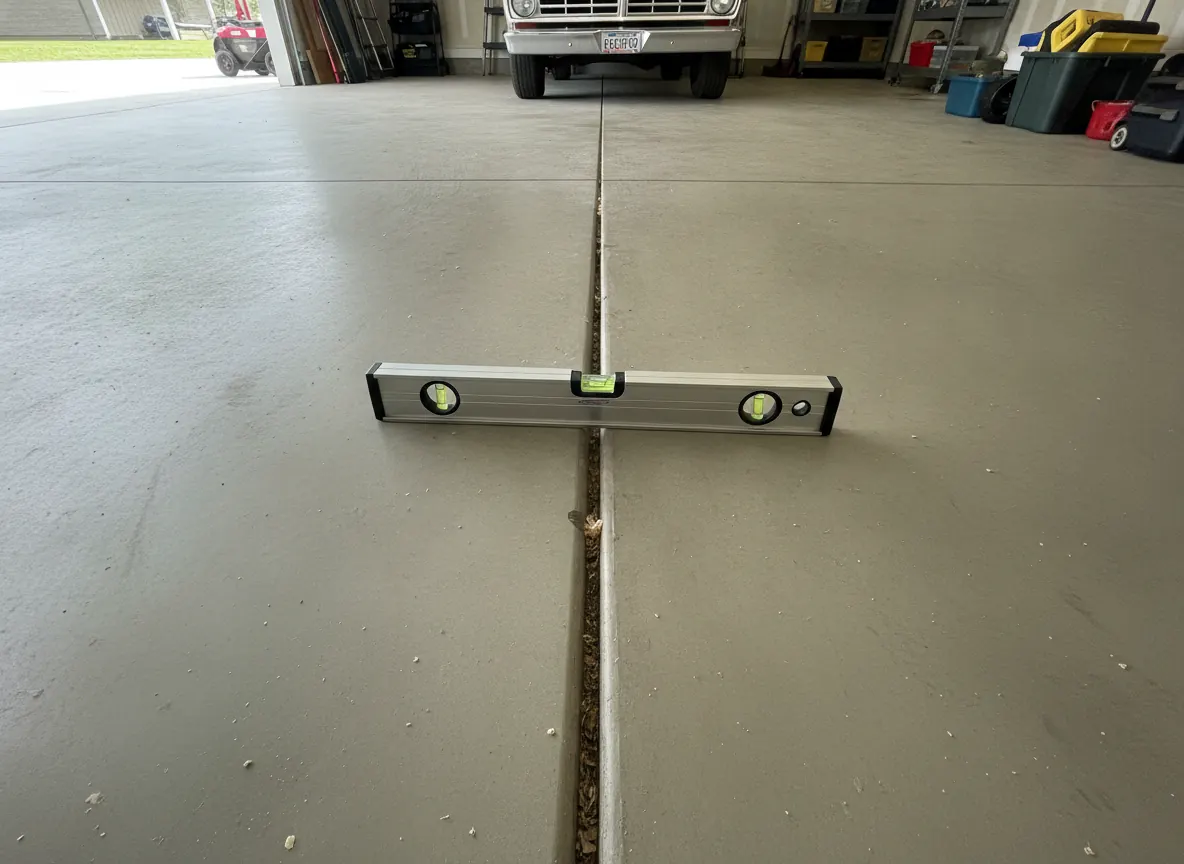
Mudjacking and polyjacking for sunken driveways, garage floors, porches and walks.
Learn more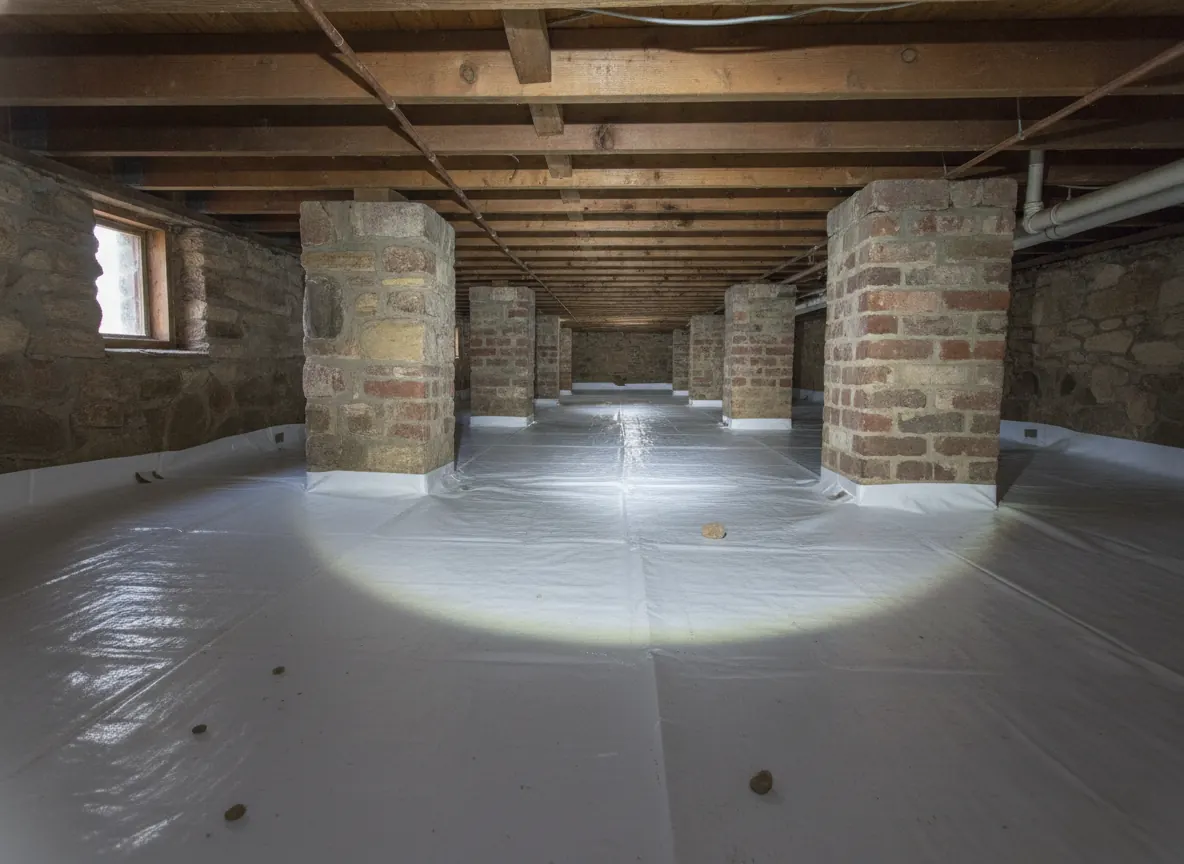
Sagging floors, older pier-and-beam framing, added supports and vapor barriers.
Learn more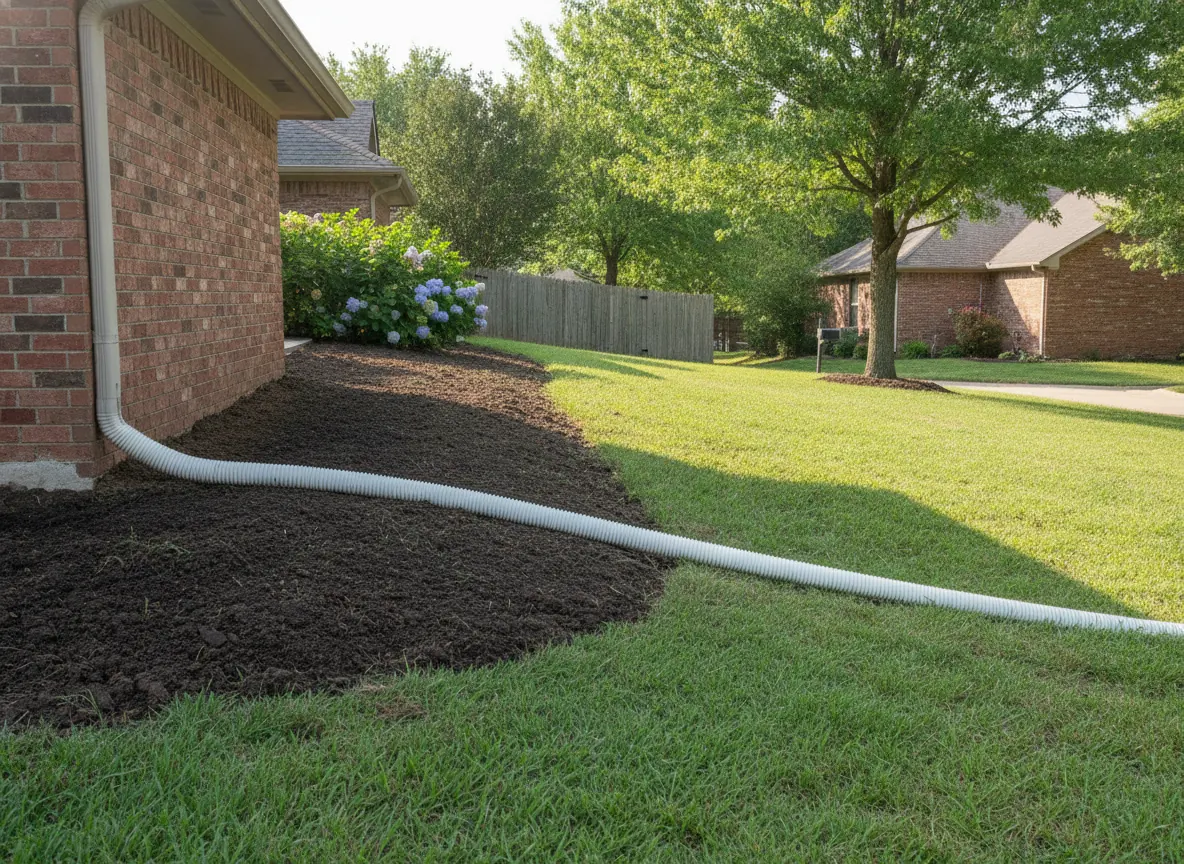
Downspouts, extensions and soil slope: the low-cost water work that matters on clay.
Learn more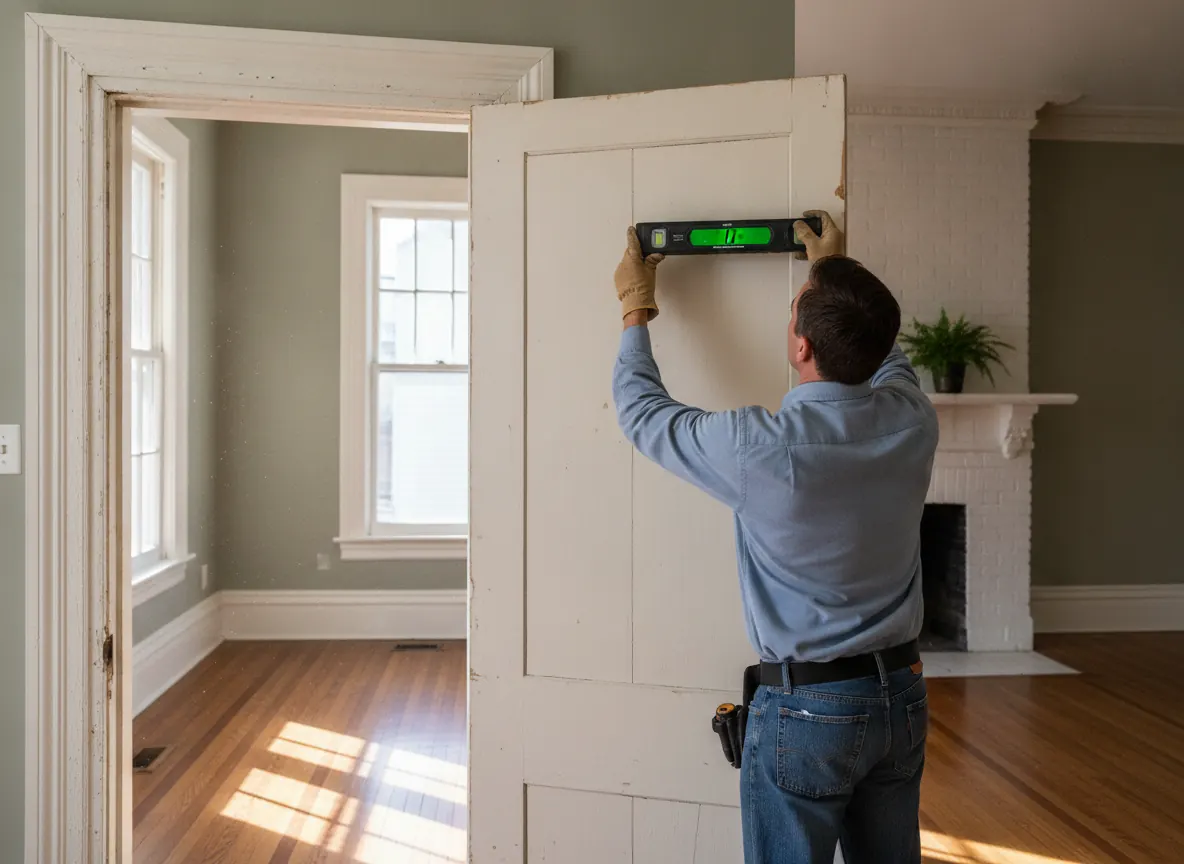
An independent engineer’s inspection and report, what it costs and when to get one first.
Learn moreThree steps, no cost to you, and no obligation to hire anyone.
Use the form or call. Tell us whether the home has a basement, slab or crawl space, what you see and roughly how old the house is. Photos can come later.
We pass your request to independent foundation companies that serve your part of northeast Kansas. They contact you directly to set up an on-site inspection.
Each company gives its own written proposal. Compare the method, scope, permit and warranty terms in writing. Hire one company or none.
Companies may pay Topeka Foundation Experts to receive requests; homeowners pay nothing for the service. See the full step-by-step process, from the first request to the final inspection.
Kansas doesn’t issue a state license for foundation contractors. Inside Topeka city limits, contractors must hold a City of Topeka contractor license and pull a building permit for structural work; Lawrence, KS has its own license and permit rules. Ask for the license, proof of liability insurance and the permit number.
Structural foundation repair generally requires a permit from Topeka’s Development Services; your contractor should pull it. In Lawrence, KS, the city guide (April 2022) says piers, helical piers, I-beams and tie-backs need a permit, often with an engineer’s stamped report, while crack injection, waterproofing and mudjacking may be exempt. Other towns: check with your city or county.
Typical national ranges from published 2024–2026 cost guides (Fixr, This Old House, Forbes Home), not quotes. Your price depends on an on-site inspection.
Overall foundation repair project, average about $5,200 (Fixr, Jan 2026).
Crack repair (Fixr). This Old House lists $250–$800.
Per pier, installed (Fixr, This Old House). Whole underpinning projects run $10,000–$40,000.
Bowed-wall reinforcement (Forbes Home). Wall anchor projects run $5,000–$15,000 (Fixr).
Clay soils. About 46% of Shawnee County is mapped in clay soils with high or very high shrink-swell potential (USDA NRCS soil data), mainly Martin and Pawnee soils. Clay like this swells when wet and shrinks when dry, and that cycle can push on basement walls or let footings settle. Soils vary lot by lot, so check your own address on Web Soil Survey. Kansas River bottom soils swell little; flooding and a high water table are the concern there.
Older homes. Topeka’s median home was built in 1967, and 68% of homes date from before 1980 (Census ACS 2020–2024). A city survey of College Hill found most homes there were built between 1910 and 1929. Older block or stone basement walls have had decades of wet and dry seasons.
Drought, then rain. In the 2022–2023 drought, Shawnee County reached D2 (severe) drought, covering 93.5% of the county on October 17, 2023 (US Drought Monitor). NOAA’s 1991–2020 normals for Topeka’s Billard airport show about 36.5 inches of rain a year, with May the wettest month at about 5.2 inches, and about 114 nights a year at or below freezing.
Frost depth. Topeka’s residential code sets footings at least 36 inches below grade. Read more in Kansas clay soil and foundations and drought and foundation damage in Topeka.
Topeka and Shawnee County, plus nearby towns in northeast Kansas. Homes in places like Tecumseh, Berryton, Wamego and Perry can use the form too.
No Topeka price survey is published, so start with national guides: Fixr puts a typical project at $2,200–$8,200, averaging about $5,200. Crack repair often runs $200–$1,000, piers $1,000–$3,000 each, and bowed-wall reinforcement $4,300–$13,000 (Forbes Home). Your price depends on an on-site inspection. See the cost guide and calculator.
It deserves a closer look. This Old House notes horizontal cracks are more likely than vertical ones to signal a structural issue, because they often come from soil pressing on the wall. Measure the width, check whether the wall bulges inward and photograph it with a date. For a horizontal crack, consider an independent structural engineer’s assessment before a large repair.
Kansas doesn’t issue a state license for foundation contractors. Inside Topeka city limits, contractors must hold a City of Topeka contractor license and pull a building permit for structural work. Lawrence, KS has its own license and permit rules. Ask any company for the license, proof of liability insurance and the permit number before work starts.
Structural foundation repair generally requires a permit from Topeka’s Development Services, and your contractor should pull it. In Lawrence, KS, the city guide says piers, I-beams and tie-backs need one, while crack injection, waterproofing and mudjacking may be exempt. In other towns, check with your city or county building office.
Often not. Standard homeowners policies commonly exclude settling, earth movement and gradual damage. A sudden event, such as a burst pipe, may be treated differently. Read your own policy and ask your agent before you assume either way. Companies that quote the repair can’t tell you what your insurer will pay.
No. Topeka Foundation Experts is a free quote service, not a contractor. Homeowners describe the problem once, and independent local foundation repair, basement wall and waterproofing companies reply with quotes. Those companies inspect, set prices, do the work and write their own contracts and warranties. Some may pay to receive requests. You decide whether to hire anyone.
More foundation repair FAQs · About this quote service
Topeka Foundation Experts is an independent quote service and is not affiliated with any foundation repair company.
Describe it once and independent foundation companies serving Topeka and northeast Kansas can reply with no-obligation quotes.